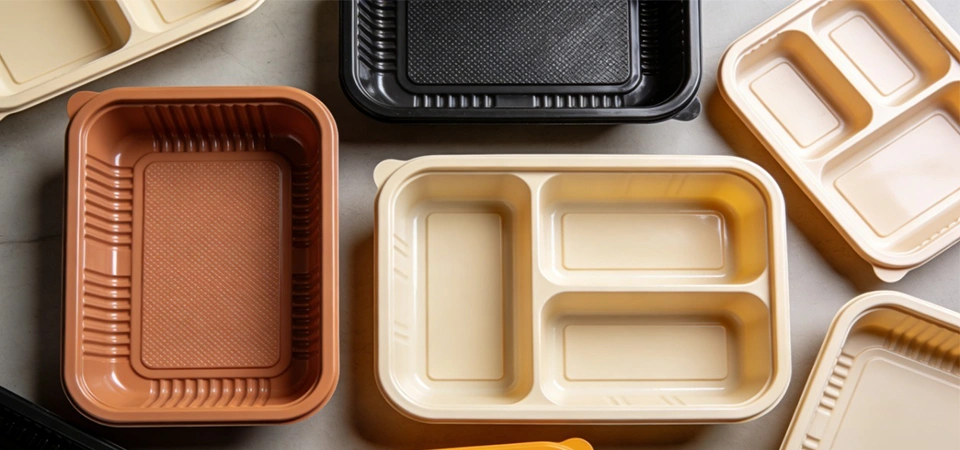
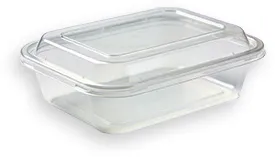
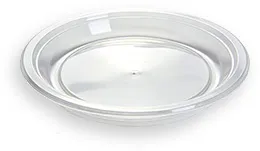
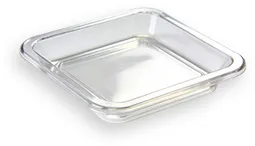
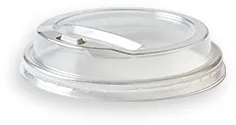
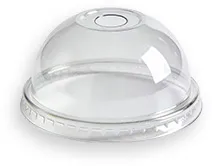
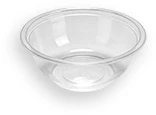
Rectangular lunch box

HONGHUA engineers precision lunch boxes for modern lifestyles. Our multi-compartment designs keep foods separate and flavors intact. Crafted from food-grade, durable materials with air-tight, leak-proof seals, each box is microwave and freezer safe for everyday reuse. Backed by high-volume manufacturing, we offer customizable sizes and compartments to help you launch your brand faster.

Customized Solutions
Rectangular lunch box application type
Precision die-cutting ensures smooth rims, tight seals, and consistent stacking every time.
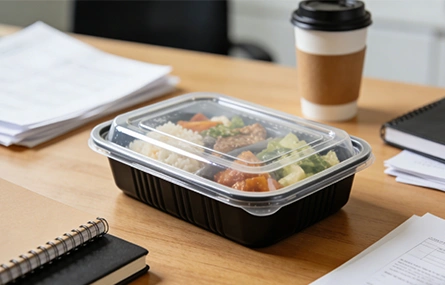
Office lunch box
Office lunch box
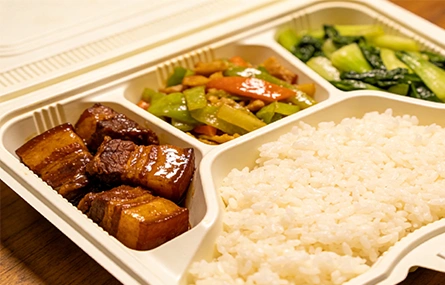
takeout lunch box
takeout lunch box
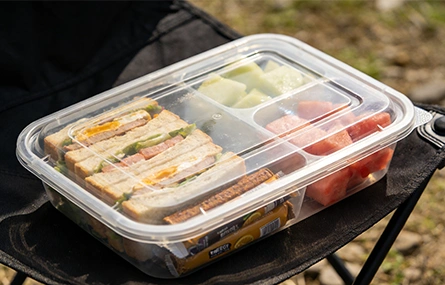
outdoor lunch box
outdoor lunch box
Rectangular lunch box Forming Machine
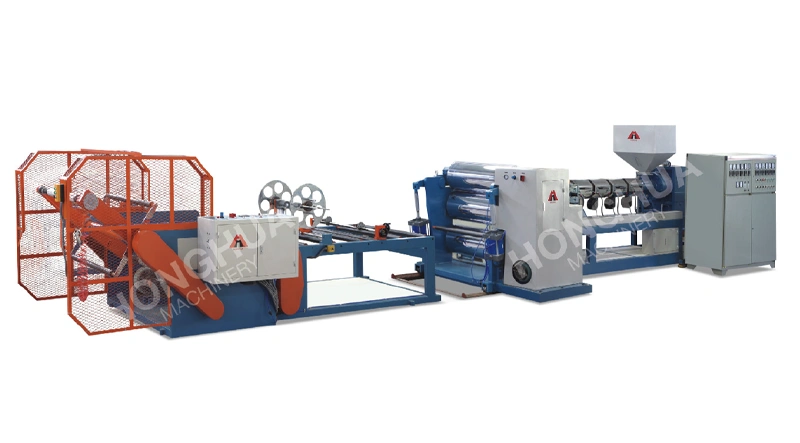
/Plastic Sheet Extrusion Line
Plastic Sheet Extrusion Line
  • Maximum output: 200kg/h

  • Diameter of screw: 100mm

  • Sheet thickness range: 0.3-2mm

  • Width Maximum: 700mm

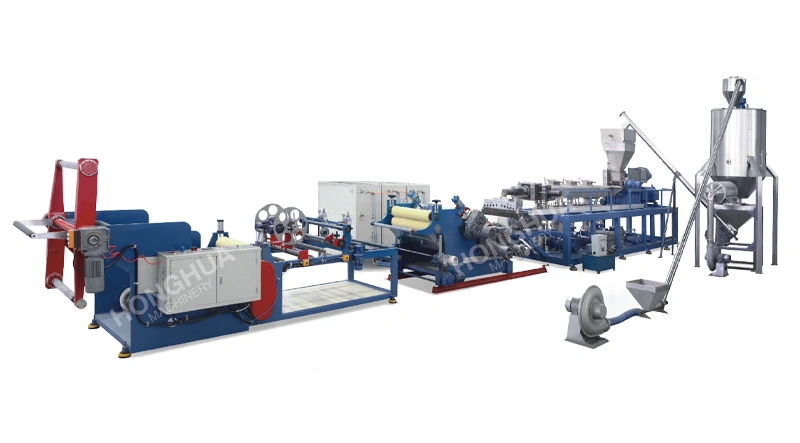
/PET Twin Screw Extruder
PET Twin Screw Extruder
  • Maximum output: 300 kg/h

  • Screw diameter: Φ75mm

  • Sheet thickness range: 0.2-1mm

  • Max. sheet width: 700mm

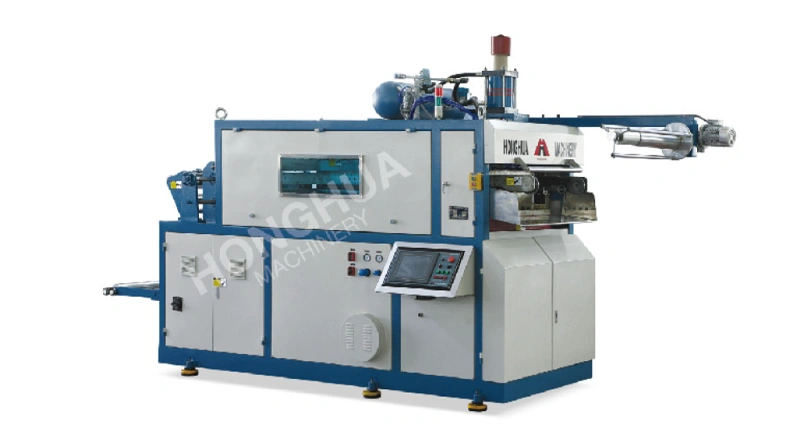
/Plastic Thermoforming Machine
Plastic Thermoforming Machine
  • Max. forming area: 250×580(420×580)mm

  • Max. forming depth: 120mm

  • Max. width range of sheet: 300-660mm

  • Thickness range of sheet: 0.2-2.0mm

FAQ
What materials are commonly used for rectangular lunch boxes, and which is most durable?
A
PP (polypropylene) is the most widely used material for lunch boxes due to its high stiffness, heat resistance up to 120°C, and excellent food-contact safety. PS offers a lower-cost alternative but is more brittle, while PET provides clarity but lower heat resistance. For reusable lunch boxes, PP is the recommended choice.
How is sealing performance ensured for lunch boxes to prevent leakage?
A
Proper sealing relies on precise die-cutting along the outer edges with no burrs or imperfections. In-mould trimming technology is recommended to achieve clean, smooth edges. Additionally, consistent material thickness and uniform forming pressure ensure the lid and base mate perfectly to create a reliable seal.
What are the main quality challenges in lunch box production, and how are they addressed?
A
Common issues include warping or deformation, surface scratches, dimensional instability, and material breakage. These are addressed through strict temperature control during heating and cooling, proper material selection, regular mold maintenance, and careful handling of formed parts to prevent damage during stacking and packaging.
Can the same thermoforming machine produce different lunch box sizes and shapes?
A
Yes, by changing molds, the same machine can produce various sizes and shapes, provided the production volume and specifications match the machine's forming area and depth capabilities. Quick-change mold systems can minimize downtime between production runs, making it feasible to switch between different lunch box designs efficiently.
What thickness range is typical for lunch box thermoforming?
A
Thin-gauge thermoforming under 1.5mm is standard for lunch boxes and similar food containers. The exact thickness depends on the product's strength requirements and the material used. PP boxes typically use 0.8-1.2mm sheet, while PS may require slightly thicker material to achieve sufficient rigidity.
Customized Services

GET A QUOTE

+86 19588171286

[email protected]

We value your privacy
We use cookies to provide you with a better online experience, analyse and measure website usage, and assist in our marketing efforts.
Accept All
Don't Accept