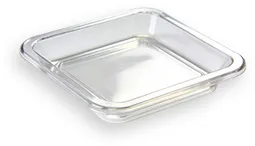
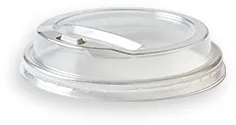
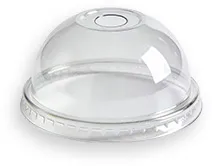
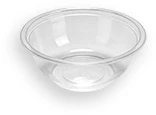
Plastic plate

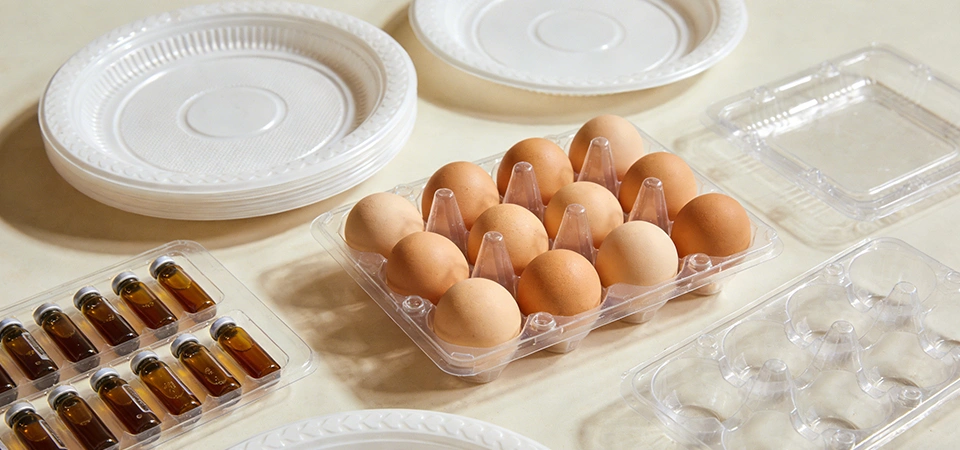
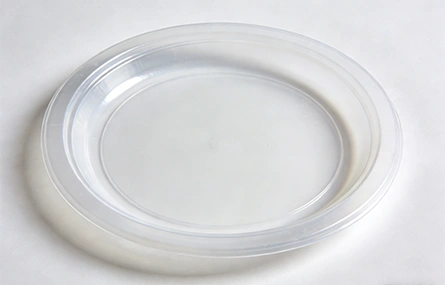
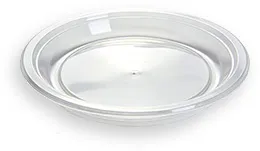
HONGHUA specializes in the high-speed, stable production of plastic plates. Our advanced manufacturing process ensures every plate has smoothly finished edges and consistent thickness. This delivers millions of plates daily with excellent nesting stability, helping you maximize operational efficiency.

Customized Solutions
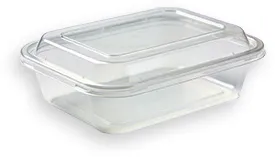
Plastic plate application type
High-volume manufacturing ensures consistent quality, perfectly flat plates, and effortless nesting for logistics.
 round plastic plate
round plastic plate
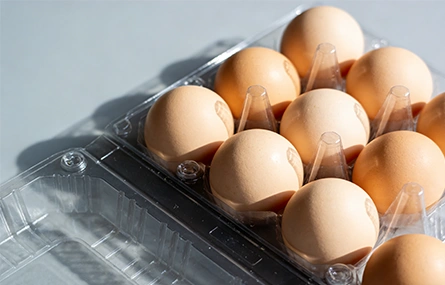
Egg Tray
Egg Tray
Oral Liquid Tray
Oral Liquid Tray
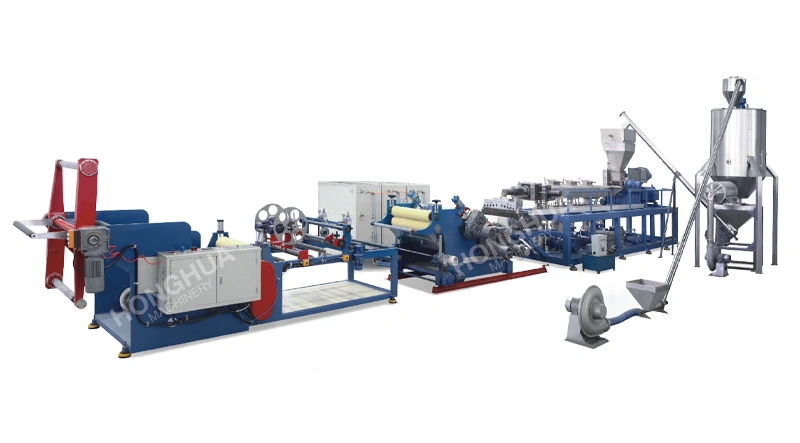
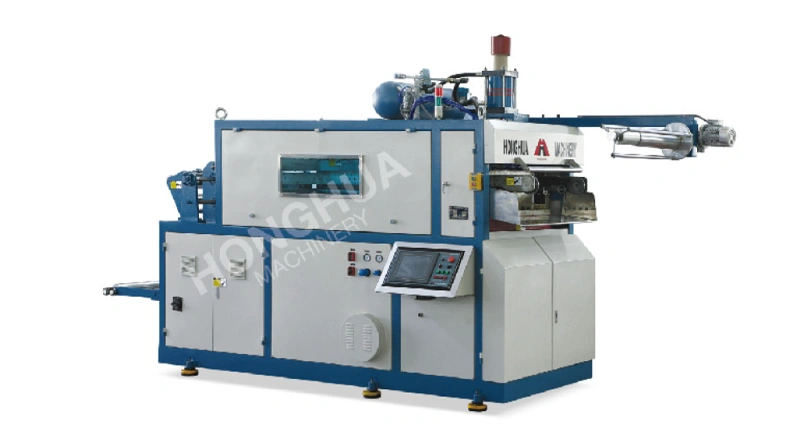
Plastic plate Forming Machine
/PET Twin Screw Extruder
PET Twin Screw Extruder
  • Maximum output: 300 kg/h

  • Screw diameter: Φ75mm

  • Sheet thickness range: 0.2-1mm

  • Max. sheet width: 700mm

/Plastic Thermoforming Machine
Plastic Thermoforming Machine
  • Max. forming area: 250×580(420×580)mm

  • Max. forming depth: 120mm

  • Max. width range of sheet: 300-660mm

  • Thickness range of sheet: 0.2-2.0mm

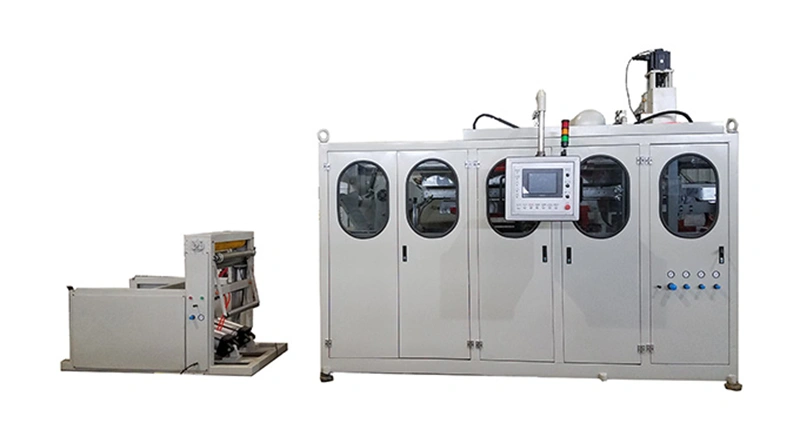
/Plastic Thermoforming Machine
Plastic Thermoforming Machine
  • Max. forming area: 250×580mm

  • Max. forming depth: 120mm

  • Max. width range of sheet: 300-660mm

  • Thickness range of sheet: 0.3-2.0mm

FAQ
What is the basic principle of thermoforming plastic plates, and what materials are suitable?
A
A thermoplastic sheet is heated to its softening temperature, then formed over or into a mold using vacuum or pressure, and trimmed to create the final plate. Common materials include PP (durable and heat-resistant), PS (cost-effective for disposables), PET (clear and glossy), and PLA (biodegradable for eco-friendly applications).
How is consistent wall thickness maintained in plate forming?
A
Consistent wall thickness depends heavily on uniform sheet heating. Inconsistent heating creates temperature gradients that cause uneven stretching during forming, resulting in thin spots or weak areas. Use a well-maintained oven with consistent heat distribution, and consider plug-assist forming for plates with complex geometries.
What causes warping in thermoformed plates, and how can it be prevented?
A
Warping results from uneven cooling, improper material temperature, or excessive sheet heating. To prevent warping, ensure cooling is applied uniformly across the formed plate, maintain proper material temperature before forming, and avoid overheating the sheet. Post-forming cooling fixtures can also help maintain flatness.
Can thermoformed plates be made from recycled materials?
A
Yes, recycled PET (rPET) is increasingly used in thermoforming for plates and trays, responding to sustainability requirements in the food service sector. However, recycled materials may have different flow properties and require adjusted processing parameters. Testing is recommended before full-scale production.
What is the typical production speed for plastic plates?
A
Production speeds typically range from 15 to 35 cycles per minute, depending on plate size, material thickness, and mold design. Smaller plates with thin walls can achieve higher speeds, while larger plates require longer heating and cooling times, reducing overall output.
Customized Services

GET A QUOTE

+86 19588171286

[email protected]

We value your privacy
We use cookies to provide you with a better online experience, analyse and measure website usage, and assist in our marketing efforts.
Accept All
Don't Accept