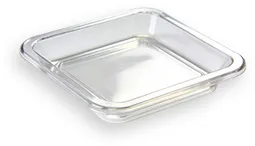
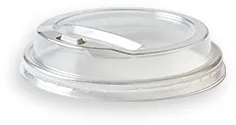
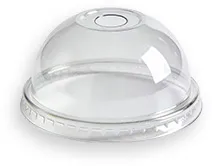
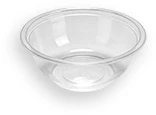
Plastic cup

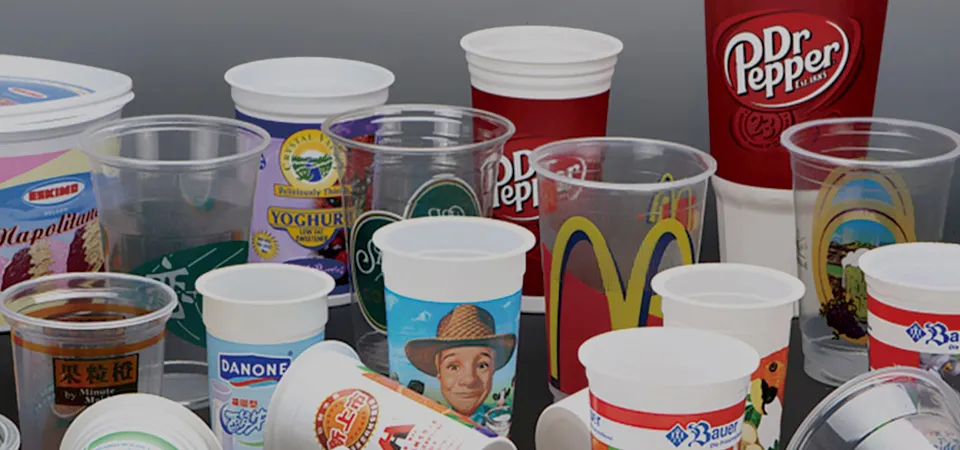
HONGHUA specializes in the high-speed, stable production of plastic cups. Utilizing multi-cavity molds and intelligent temperature control, we ensure smooth cup rims and uniform wall thickness. This achieves daily production capacity in the millions and exceptional stacking stability, helping you significantly boost efficiency.

Customized Solutions
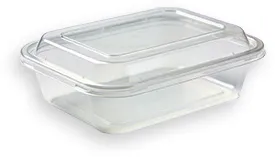
Plastic cup application type
High-speed continuous production ensures smooth cup rims, uniform wall thickness, and stable stacking.
Hot and cold beverage cups
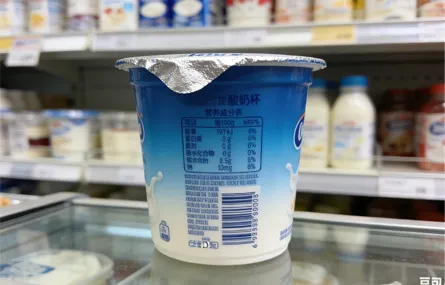
Yogurt cups
Yogurt cups
Dessert cups
Dessert cups
Plastic cup Forming Machine
/Plastic Cup Thermoforming Machine
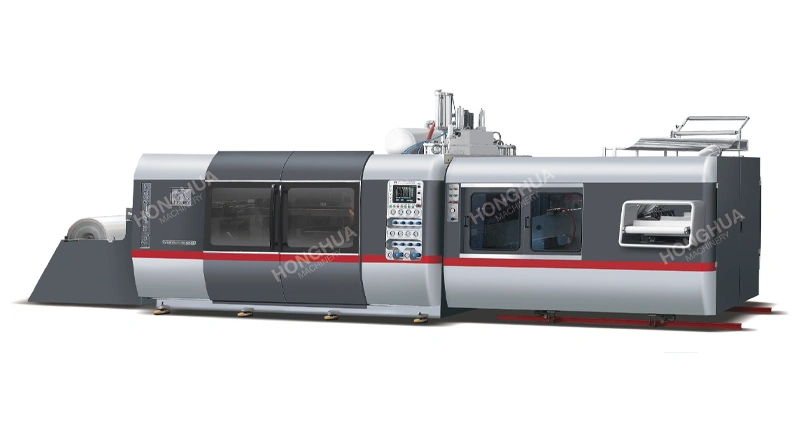
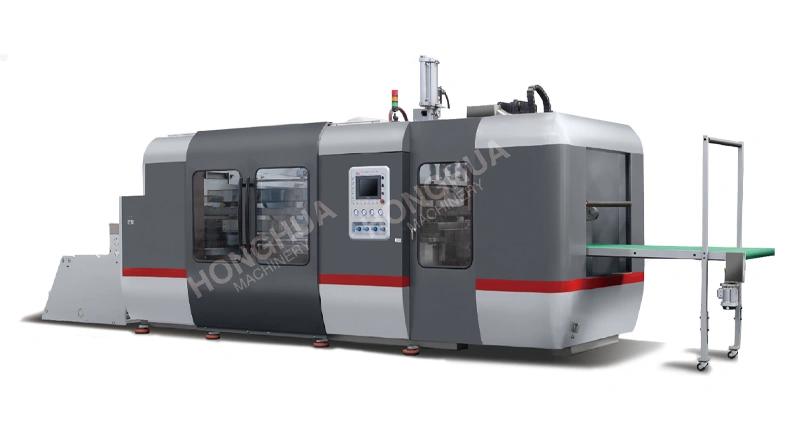
Full-automatic Plastic Cup Thermoforming Machine
  • Max. forming area: 320×680mm

  • Max. forming depth: 170mm

  • Maximum width: 820mm

  • Thickness range of sheet: 0.2-2.5 mm

/Multi-Function Thermoforming Machine
Multi-Function Thermoforming Machine
  • Maximum forming area 320×720mm
  • Maximum forming depth 140mm
  • Maximum width rage of sheet 500-780mm
  • Thickness range of sheet 0.2-2.0mm
/Plastic Sheet Extrusion Line
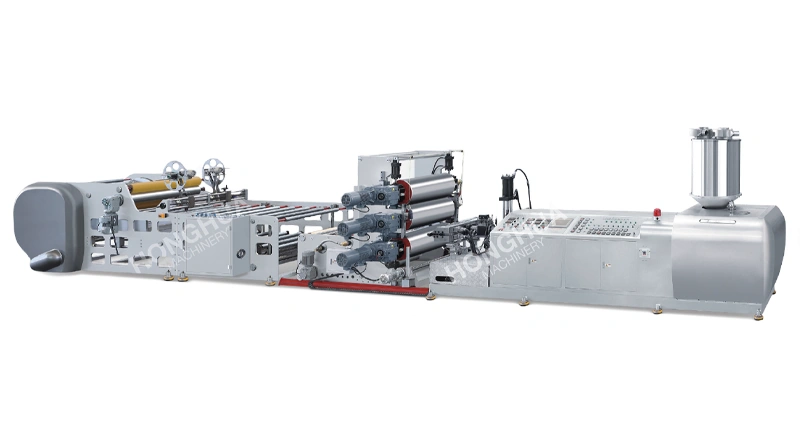
Plastic Sheet Extrusion Line
  • Maximum output: 350 kg/h

  • Diameter of screw: 100mm

  • Sheet thickness range: 0.15-2mm

  • Width Maximum: 720mm

FAQ
What materials can be used for thermoforming plastic cups, and which one is best for my application?
A
Common materials include PP, PS, PET, and PLA. PP (polypropylene) offers excellent heat resistance for hot-fill applications like coffee or tea cups, while PET provides superior clarity and gloss for cold beverages. PS is cost-effective for general-purpose use, and PLA is a biodegradable option for eco-conscious brands seeking sustainable packaging solutions.
How does the thermoforming process work for cup production from start to finish?
A
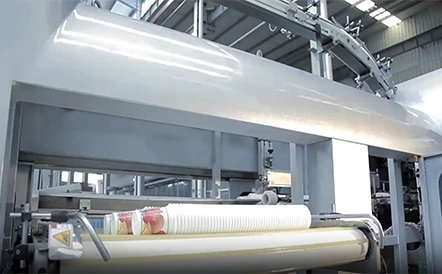
A plastic sheet is unwound from a roll and fed into the thermoforming machine, where it passes through an oven to reach the optimal forming temperature. The heated sheet is then drawn into a cup-shaped mold using vacuum or pressure, cooled to set the shape, and trimmed to remove excess material. Finally, the formed cups are stacked and counted for packaging.
What causes uneven wall thickness in thermoformed cups, and how can it be prevented?
A
Uneven wall thickness typically results from inconsistent sheet heating, improper plug-assist design, or unbalanced vacuum pressure during forming. To prevent this, ensure the heating system is properly calibrated for your specific material, use a well-designed plug that matches your cup geometry, and maintain consistent vacuum levels throughout the forming cycle.
How can common surface defects like scratches or bubbles be avoided?
A
Surface defects often stem from contaminated raw material, dust accumulation on the sheet, or excessive heating that degrades the polymer. Implement strict material screening and handling procedures, clean the sheet surface before forming, and optimize heating parameters to prevent scorching. Regular mold maintenance and polishing also help eliminate scratches on the final product.
What is the typical production speed for plastic cup thermoforming, and does it vary by cup size?
A
Production speeds typically range from 20 to 40 cycles per minute, depending on cup size, material thickness, and mold cavity count. Smaller cups with thin walls can achieve higher speeds, while larger or thicker cups require longer heating and cooling times, reducing overall output. Multi-cavity molds can significantly increase total production per minute.
Customized Services

GET A QUOTE

+86 19588171286

[email protected]

We value your privacy
We use cookies to provide you with a better online experience, analyse and measure website usage, and assist in our marketing efforts.
Accept All
Don't Accept