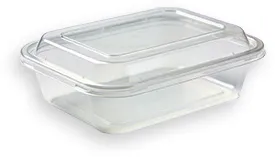
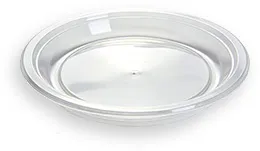
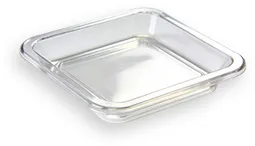
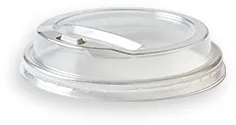
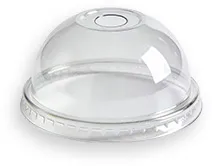
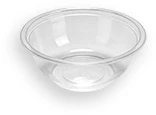
Plastic bowl

HONGHUA produces plastic bowls that stand up to busy kitchens and demanding schedules. Thickened sidewalls resist cracking under pressure, while wide, stable bases prevent tipping during service. From meal prep to catering events, our bowls stack neatly, store flat, and perform consistently. With high-speed production lines running around the clock, we deliver the volume you need—without sacrificing a single detail.

Customized Solutions
Plastic bowl application type
Stackable nesting designs are built into every product, saving space in storage and transit.
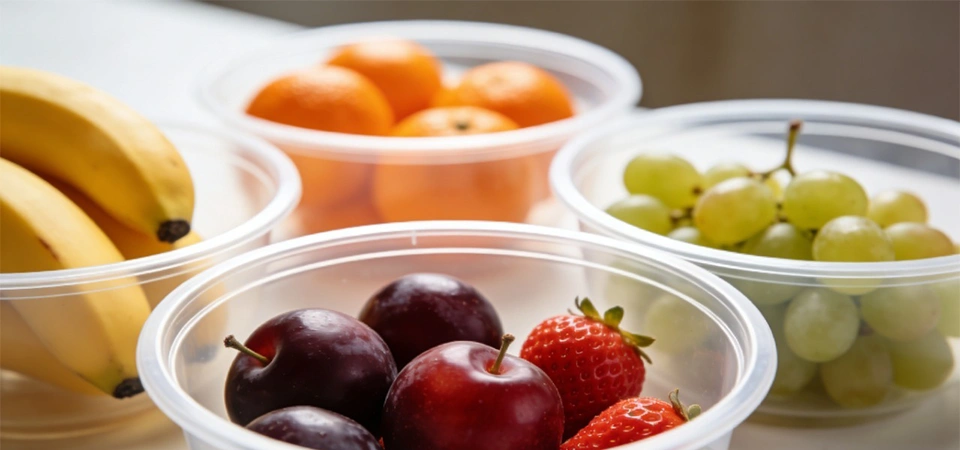
fruit plastic bowl
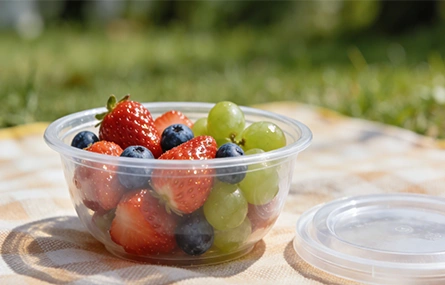
fruit plastic bowl
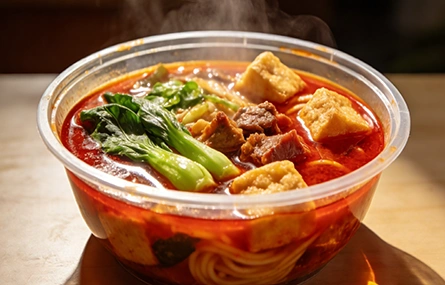
noodles plastic bowl
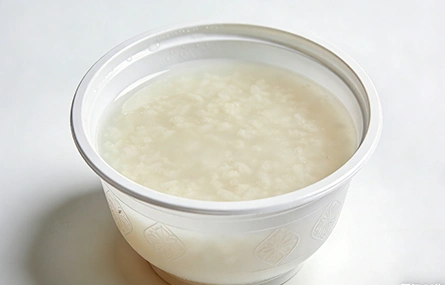
Porridge  plastic bowl
Porridge plastic bowl
Plastic bowl Forming Machine
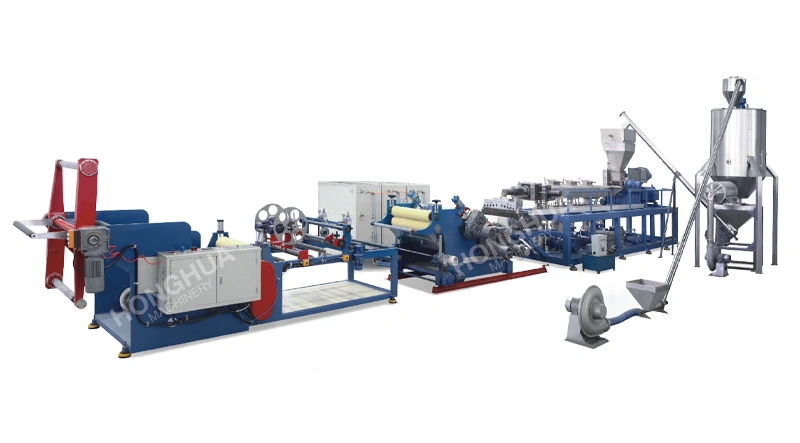
/PET Twin Screw Extruder
PET Twin Screw Extruder
  • Maximum output: 300 kg/h

  • Screw diameter: Φ75mm

  • Sheet thickness range: 0.2-1mm

  • Max. sheet width: 700mm

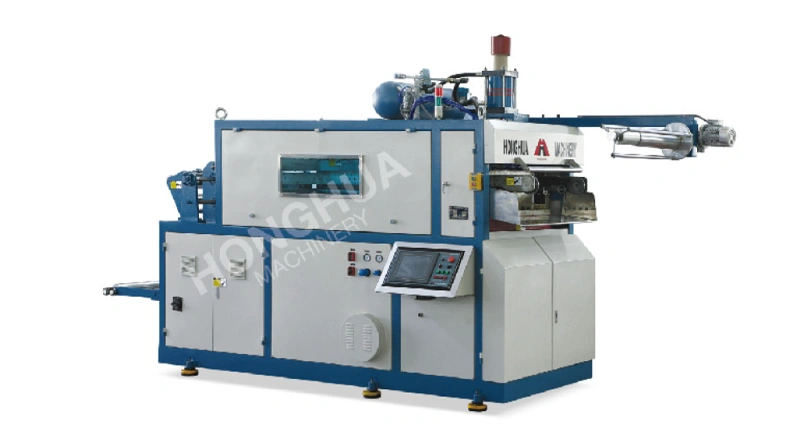
/Plastic Thermoforming Machine
Plastic Thermoforming Machine
  • Max. forming area: 250×580(420×580)mm

  • Max. forming depth: 120mm

  • Max. width range of sheet: 300-660mm

  • Thickness range of sheet: 0.2-2.0mm

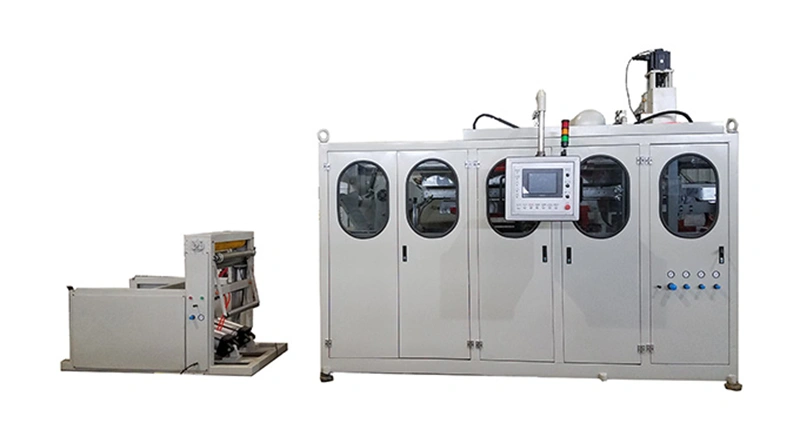
/Plastic Thermoforming Machine
Plastic Thermoforming Machine
  • Max. forming area: 250×580mm

  • Max. forming depth: 120mm

  • Max. width range of sheet: 300-660mm

  • Thickness range of sheet: 0.3-2.0mm

FAQ
What materials are commonly used for thermoforming plastic bowls?
A
PP is the most widely used material for plastic bowls due to its excellent heat resistance, durability, and food-contact safety. PS is a cost-effective alternative for disposable bowls, while PET offers superior clarity for cold food presentations. PLA is increasingly popular for eco-friendly bowl applications in the food service sector.
How does bowl thermoforming differ from cup forming?
A
Bowls typically have wider diameters and shallower depths compared to cups, but still require deep-draw forming capability. The forming process uses similar steps: heating the sheet, forming with vacuum or pressure, cooling, and trimming. However, bowl molds often feature simpler geometries than cup molds, potentially allowing for higher cavity counts.
What is the typical cycle time for bowl production?
A
Cycle times of 5 to 10 seconds per stroke are typical, achieving 6 to 12 units per minute with single-cavity operation. Multi-cavity molds can significantly increase the production rate to 20+ units per minute, depending on bowl size and material thickness.
How is consistent wall thickness maintained in bowls?
A
Uniform sheet heating is critical, as uneven heating creates temperature variations that lead to inconsistent stretching and thin spots, particularly at the bottom and corners. Proper plug-assist design helps pre-stretch the material evenly before vacuum or pressure forming, ensuring uniform wall thickness across the entire bowl.
Can bowls be made from biodegradable materials?
A
Yes, biodegradable materials such as PLA (polylactic acid) are increasingly used for bowls in the food service sector. These materials respond to growing sustainability requirements and offer comparable performance to conventional plastics for cold or room-temperature applications. However, they require lower forming temperatures and careful moisture control.
Customized Services

GET A QUOTE

+86 19588171286

[email protected]

We value your privacy
We use cookies to provide you with a better online experience, analyse and measure website usage, and assist in our marketing efforts.
Accept All
Don't Accept