Chinese Spanish Portuguese Arabic Russian
  • Home
  • About Us
  • News
  • Product
  • Clients
  • Exhibition
  • Product video
  • Feedback
  • Site Map
  • Contact
  •  
    navigation
    Latest News
    Technical
    Information

    Hot Click
    Automatic cup printing machine
    Thermoforming tool design guidelines
    Twin sheet forming
    Thermoplastic Thermoforming
    What is Plastic Thermoforming
    Choosing The proper forming parametres
    All the colours at once
    Plastics Machinery opportunities in the Russian market
    Hard chrome plastic mechanical shaft power
    Vacuum Forming
    Thermoforming
    Thermoforming Troubleshooting
    Vacuum Forming
    Vacuum Snap-Back
    Billow Forming
    Plug assist forming
    Free Forming
    Pressure Forming
    Drape Forming
    Stretch Forming
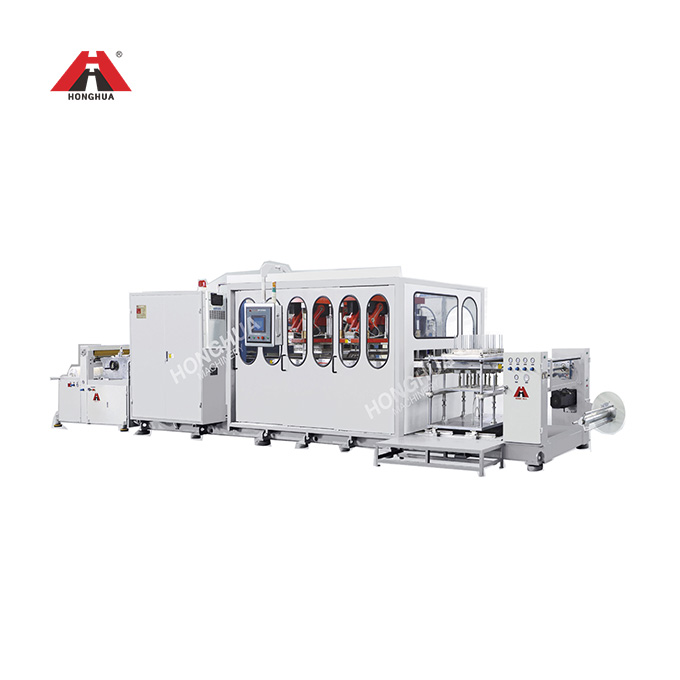
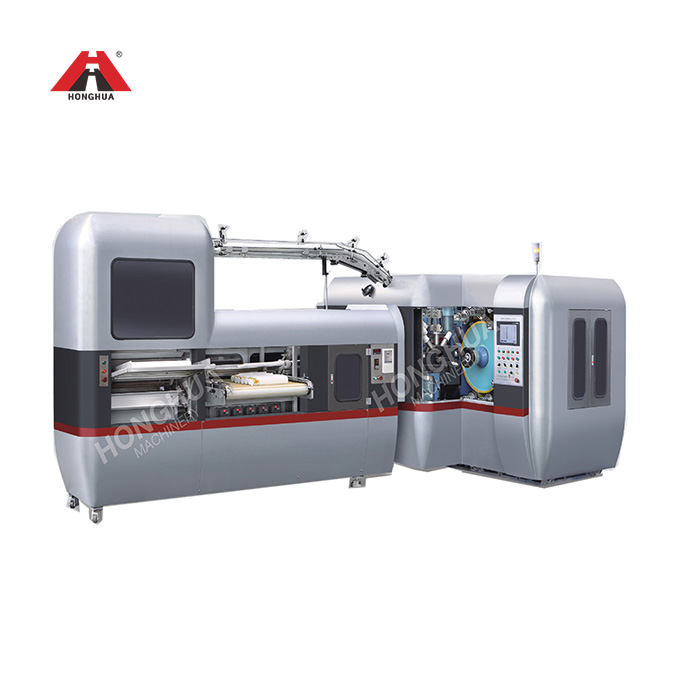
    Automatic cup printing machine
    Published:2009-6-6 15:10:25

    The thermoforming process involves the following steps:

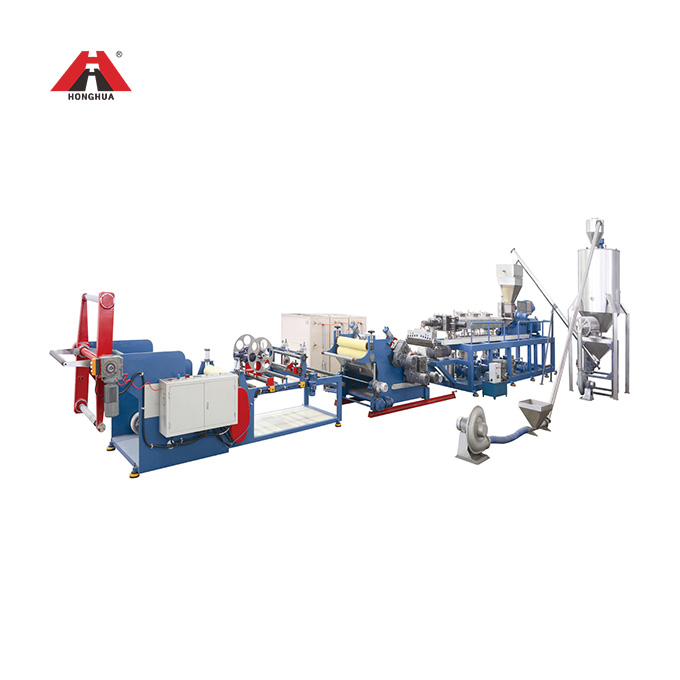
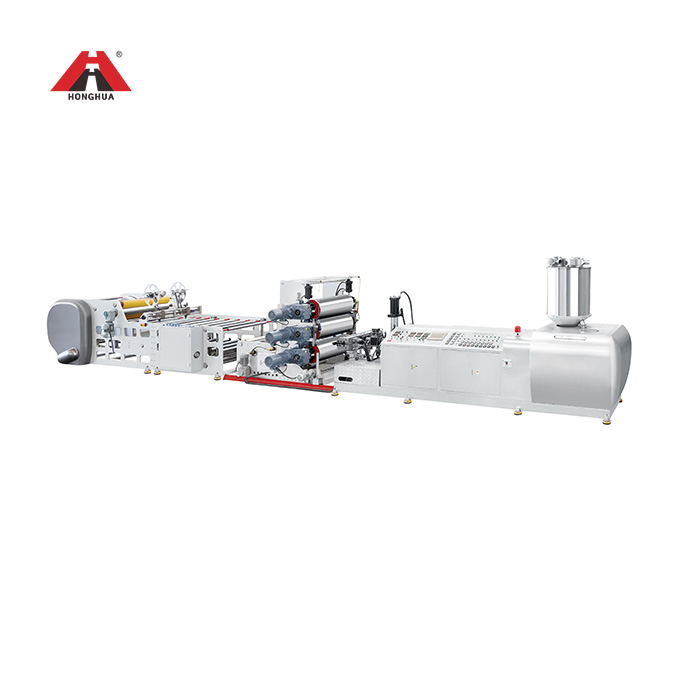
    Extrusion of sheet 

    Place the sheet on a mould

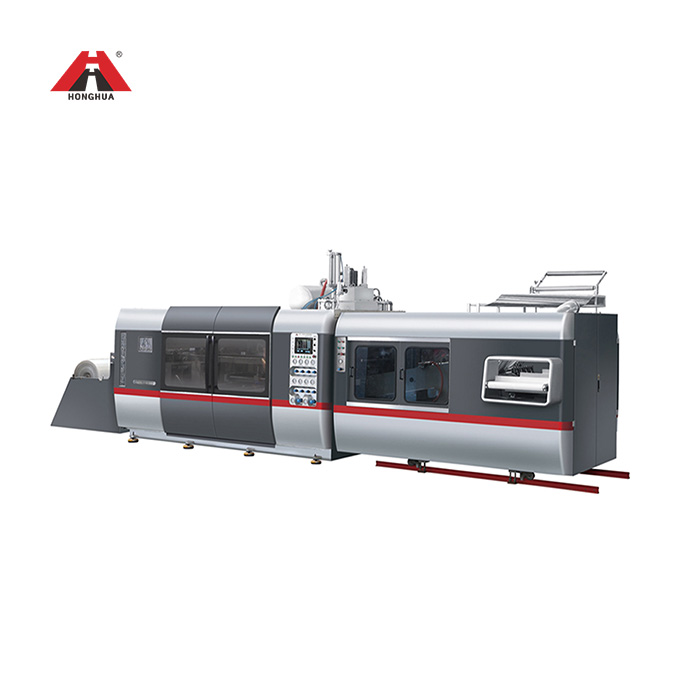
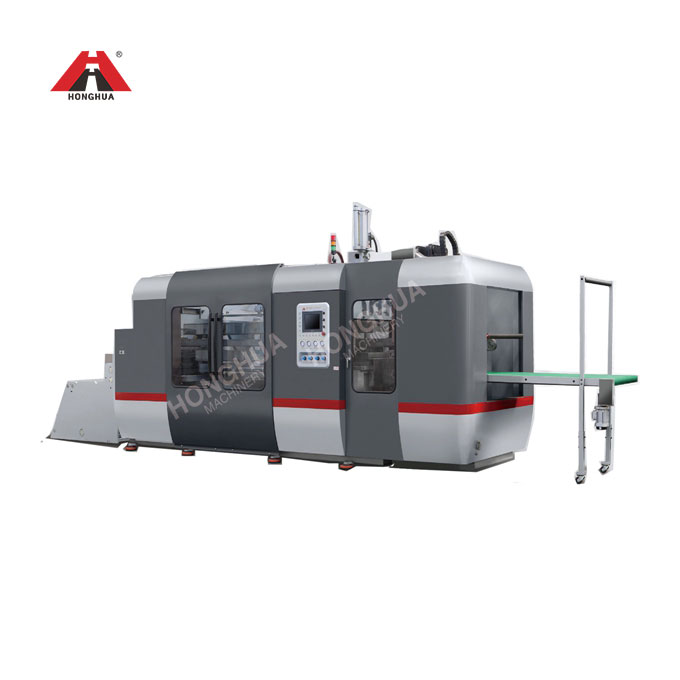
    Draw the sheet into the shape of the mould by heat and negative force (vacuum).

    Raw Materials
    Most thermoplastics are usable. Must be in sheet form.

    Tooling
    Generally, machined aluminum is used, although poured composites and even wood can be used for short runs.

    Cost
    Tooling costs are generally low and piece prices are strictly dependent upon the speed of the machinery.

    Examples of Application
    Covers, displays, blister packaging, trays, drinking cups & food packaging. 

    Some of the possible advantages of thermoforming over injection molding include

    Large surface-area parts formed on inexpensive molds andmachines, due to low pressure and temperature requirements

    Easy formation of very thin-walled parts that are difficult to make by other techniques.

    Very high rates of production of thin-walled parts atrelatively low capital investment.

    Advantages

    Extremely adaptive to customer design needs

    Rapid prototyping development

    Material and process is optimized for cost effectiveness

    High-speed production allows for just-in-time shipments

    Flexible tooling design offers a competitive advantage

    On-the-fly product enhancements with low additional costs

    Visually pleasing appearance

    Weight savings for consumer and manufacturer

    Wider design scope

    Lower tooling costs

    No anticorrosion spray necessary

    Paintable and colored plastic availability

    Fully integrated process with limitless flexibility for small to large product designs

    Disadvantages

    High initial equipment investment

    High startup and running costs possible

    Part must be designed for effective molding

    Accurate cost prediction for molding job is difficult v