Chinese Spanish Portuguese Arabic Russian
  • Home
  • About Us
  • News
  • Product
  • Clients
  • Exhibition
  • Product video
  • Feedback
  • Site Map
  • Contact
  •  
    navigation
    Latest News
    Technical
    Information

    Hot Click
    Thermoforming tool design guidelines
    Twin sheet forming
    Thermoplastic Thermoforming
    What is Plastic Thermoforming
    Automatic cup printing machine
    Choosing The proper forming parametres
    All the colours at once
    Plastics Machinery opportunities in the Russian market
    Hard chrome plastic mechanical shaft power
    Vacuum Forming
    Thermoforming
    Thermoforming Troubleshooting
    Vacuum Forming
    Vacuum Snap-Back
    Billow Forming
    Plug assist forming
    Free Forming
    Pressure Forming
    Drape Forming
    Stretch Forming
    Thin-Gage Thermoforming Machinery Specifics (the rest)
    Published:2009-7-26 23:36:15
      As noted abovesheet sag is a serious problem with certain polymersSag band sare standard fare for minimizing sagIn certain casessag bands cannot be fully utilizedbecause of mold configuration or the nature of the polymerSpecial thermoformers are available that allow the sheet to be heated and formed vertical!vThe colder portion of the sheet supports the hotter portion of the sheet as it passes through the excessive sag thermal regionAlternatives to this approachsuch as solidphase pressure forming and compounding or reformulating the polymer to yield one with higher melt strengthare usually less expensive in the long haul

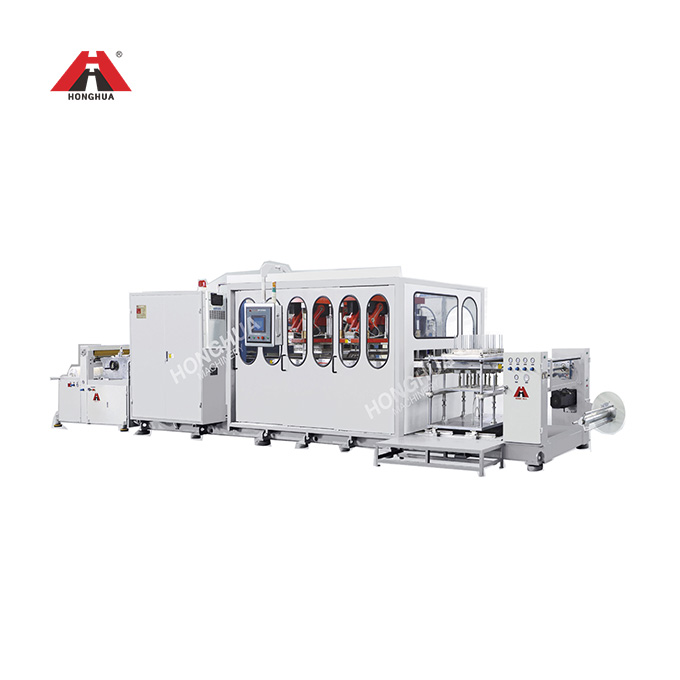
      The forming station of a typical thin-gage former is substantially more complex than that of a heavy-gage formerOwing to the thinner sheetevents must take place much more rapidly than those for a heavygage sheetIn addition

    ·Molds are much smaller and are usually in multiples
    ·Plugs must be ganged
    ·Multiple molds require special holddown plates called cavity isolators or holddown gridsto minimize variations in wall thickness
    ·Stripper plates are needed to uniformly strip the formed parts from the mold without rackingbindingscuffing or jamming
    P1ugs dominate the prestretching processMachines must have the capability of carrying the mold in theupordownpositionThis means that the presses should have two platens and both platens must travelPresses with this capability are useful in pressure forming and matched die formingas wellFor these two technologiesthe press clamping capability must be robust

      Thin-gage parts are removed from their web either while they reside on the mold or away froln the forming press in an in-line standalone trimming pressSince the part is Iocked on the moldtrimming on the moldor trimIn-placeaffords the most dimensional contr01 on the trimming 10cationIf the part is completely cut fiom the webit must be picked or removed from the press before the next sheet is indexed to the forming stationThere are many ingenious ways to do thisNeverthelessthe picking method must be absolutely infallibleA part that is not picked or a part that is dropped before clearing the mold will cause havoc in the next forming stepUsually the trimming is not completewith tabs remaining that hold the parts in theweb until the sheet is clear of the moldMechanical or manual picking is then requiredInline standalone trimming is an economically viable alternative for polymers that do not show substantial distortionshrinkage orswimmingbetween the forming press and the trim pressExtensive eflbrts are made to correctly register the formed part in the trim press.