Chinese Spanish Portuguese Arabic Russian
  • Home
  • About Us
  • News
  • Product
  • Clients
  • Exhibition
  • Product video
  • Feedback
  • Site Map
  • Contact
  •  
    navigation
    Latest News
    Technical
    Information

    Hot Click
    Thermoforming tool design guidelines
    Twin sheet forming
    Thermoplastic Thermoforming
    What is Plastic Thermoforming
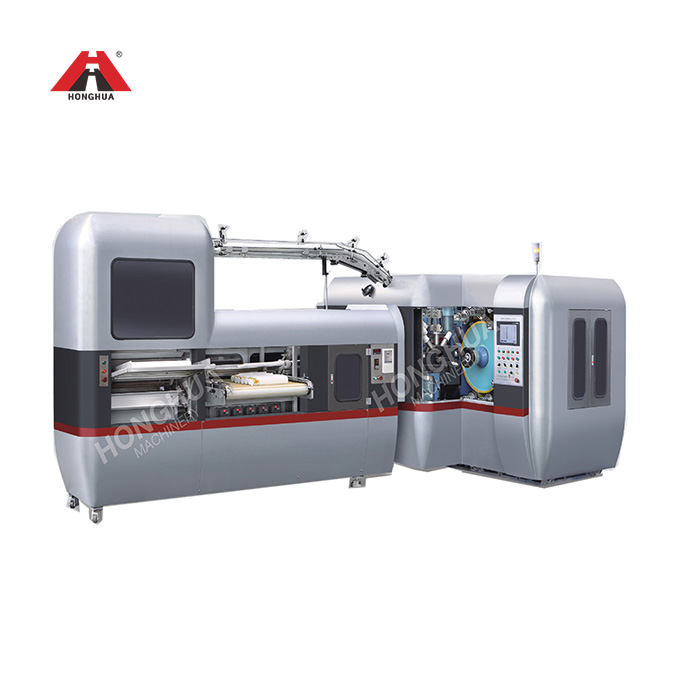
    Automatic cup printing machine
    Choosing The proper forming parametres
    All the colours at once
    Plastics Machinery opportunities in the Russian market
    Hard chrome plastic mechanical shaft power
    Vacuum Forming
    Inline thermoforming
    Thermoforming
    Thermoforming Troubleshooting
    Vacuum Forming
    Vacuum Snap-Back
    Billow Forming
    Plug assist forming
    Free Forming
    Pressure Forming
    Drape Forming
    Inline thermoforming
    Published:2009-6-12 13:05:51
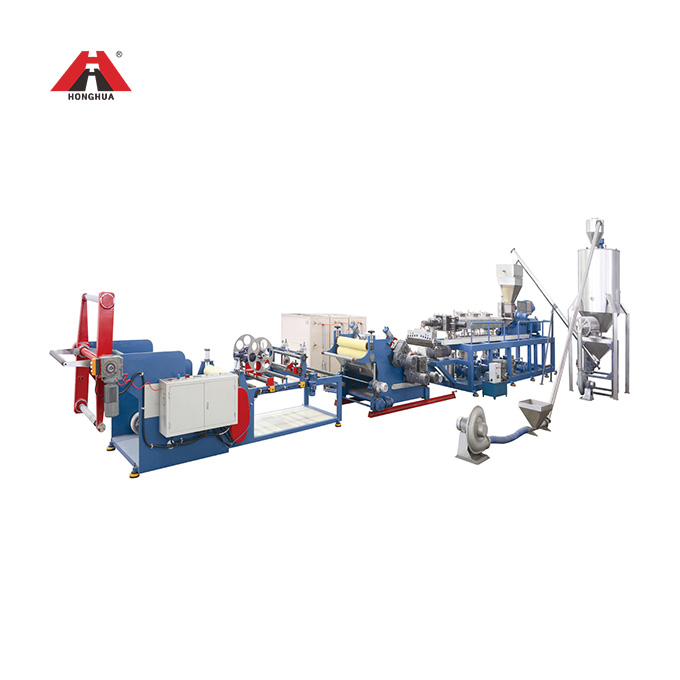
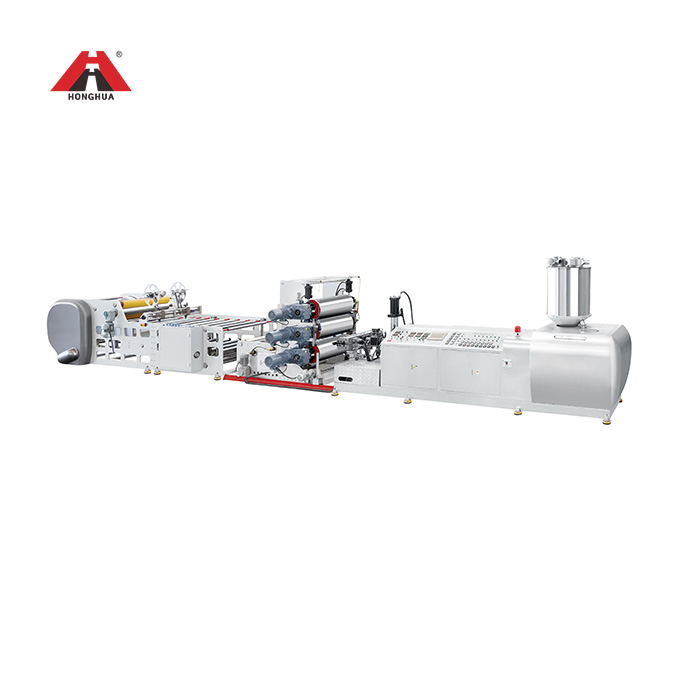
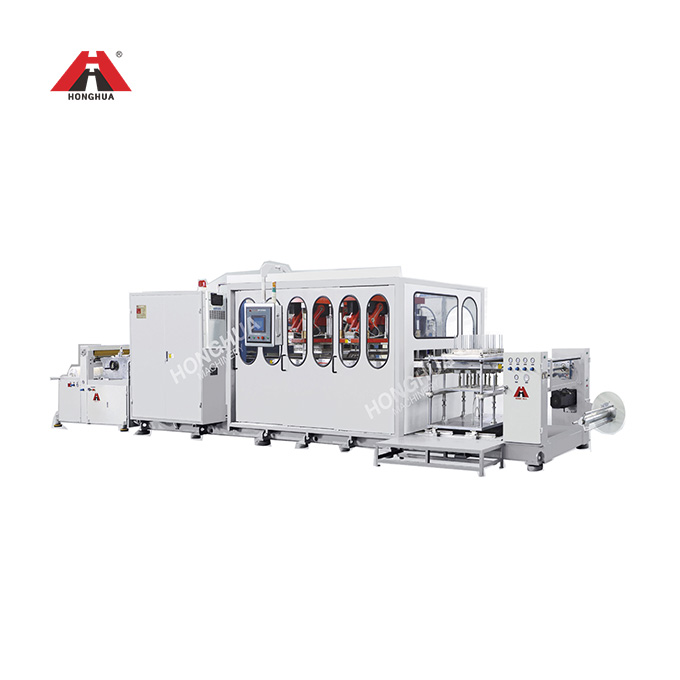
    The in-line thermoforming process is designed to take advantage of the hot sheet coming off the extruder- The sheet is mechanically conveyed directly from the extruder through the
    oven to maintain the sheet at a forming temperature and then to the forming station. The forming step must be synchronized with the extruder take-off speed. This type of
    thermoforming is usually limited to sheet 0 125" or thinner and applications that do not require critical thermoforming. i.e.. optimum material distribution and close tolerances· This
    process Is more difficult to control than other thermoforming processes· The major disadvantage is that with the extruder and former being tied directly together an upset In
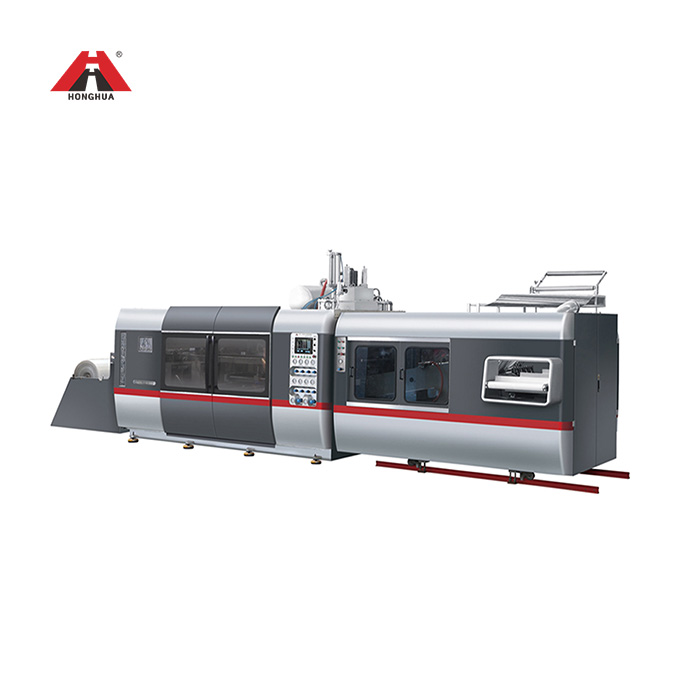
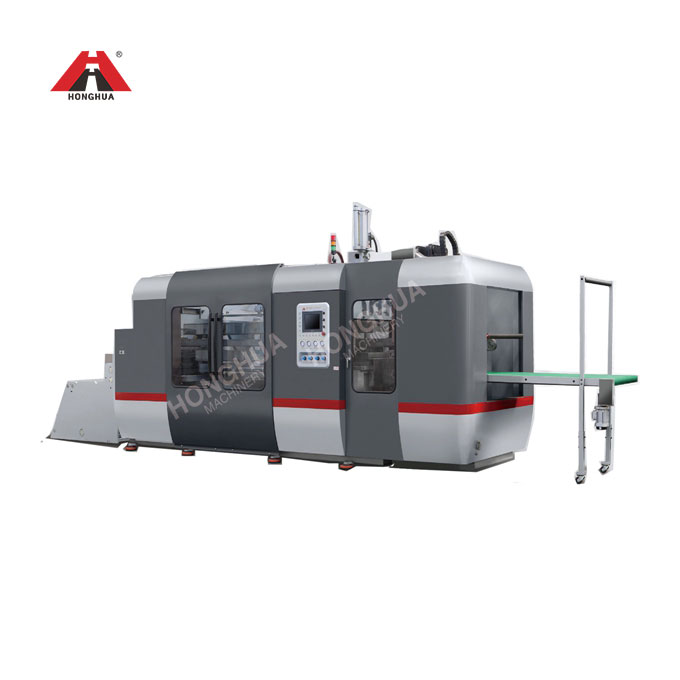
    one causes a shutdown in both. The majority of roll-fed machines or in-line machines are commonly used for the production of thin-walled products such as cups, trays, lids. internal
    packaging, and other finished products with a finished wall of 0.003 to 0.060+ in· in
    thickness. Because of the speed of these machines, secondary operations are
    incorporated within the unit. These may consist of printing, filling, sealing, die cutting, scrap
    cutting, or automated removal and stacking of finished product. The normal roll-fed machines consist of the roll station, upper and lower heating banks. form Station, cooling
    station, and trim station.