Chinese Spanish Portuguese Arabic Russian
  • Home
  • About Us
  • News
  • Product
  • Clients
  • Exhibition
  • Product video
  • Feedback
  • Site Map
  • Contact
  •  
    navigation
    Latest News
    Technical
    Information

    Hot Click
    Thermoforming tool design guidelines
    Twin sheet forming
    Thermoplastic Thermoforming
    What is Plastic Thermoforming
    Automatic cup printing machine
    Choosing The proper forming parametres
    All the colours at once
    Plastics Machinery opportunities in the Russian market
    Hard chrome plastic mechanical shaft power
    Vacuum Forming
    Thermoforming
    Thermoforming Troubleshooting
    Vacuum Forming
    Vacuum Snap-Back
    Billow Forming
    Plug assist forming
    Free Forming
    Pressure Forming
    Drape Forming
    Stretch Forming
    Thermoforming
    Published:2009-6-12 13:41:30


    Thermoforming is a manufacturing process for thermoplastic sheet or film. Specifically, it is more of a converting process, where plastic sheet or film is
    converted into a formed, finished part. The sheet or film is heated in an oven to its forming temperature, then stretched into or onto a mold and cooled. Early
    generation thermoforming machines usually incorporated cal-rod type heaters, similar to heating elements found in conventional electric kitchen ovens. These
    are still used, but more modern equipment frequently uses quartz heaters or radiant-panel heaters for more efficient sheet heating and ease of zone control.
    Cast or machined aluminum is the most common mold material, although epoxy, wood and structural foam are sometimes used for prototypes, samples, and low volume production runs. Aluminum molds are normally water-cooled by a cooling tower or chiller system for faster production capabilities. Thermoforming differs from injection molding, blow molding, rotational molding, and other forms of processing plastics, and is primarily used in the manufacture of disposable cups,
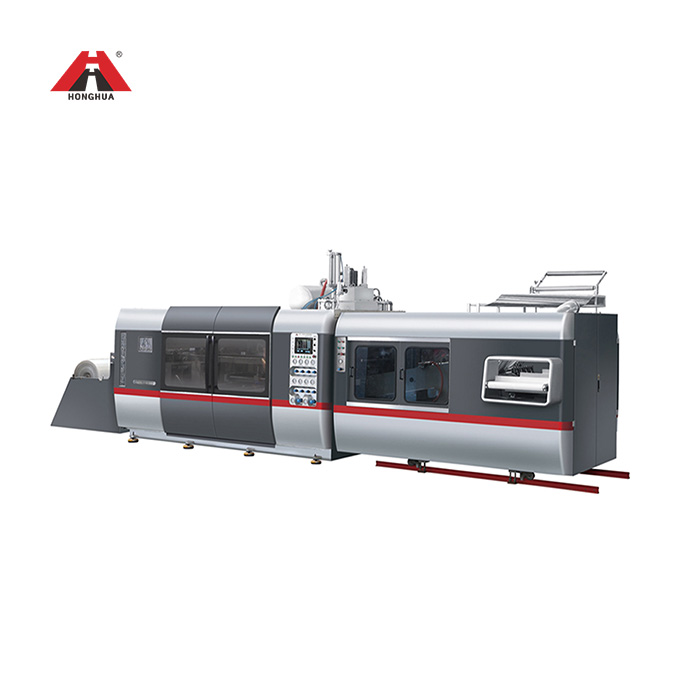
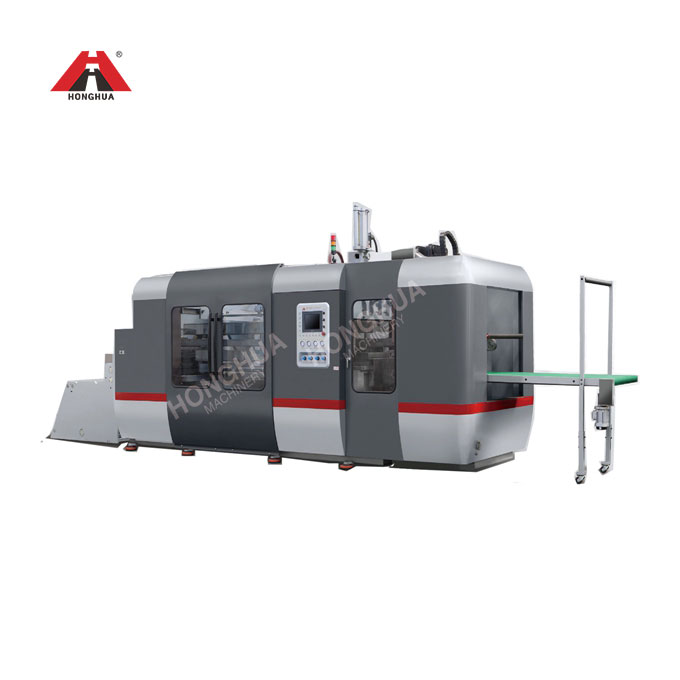
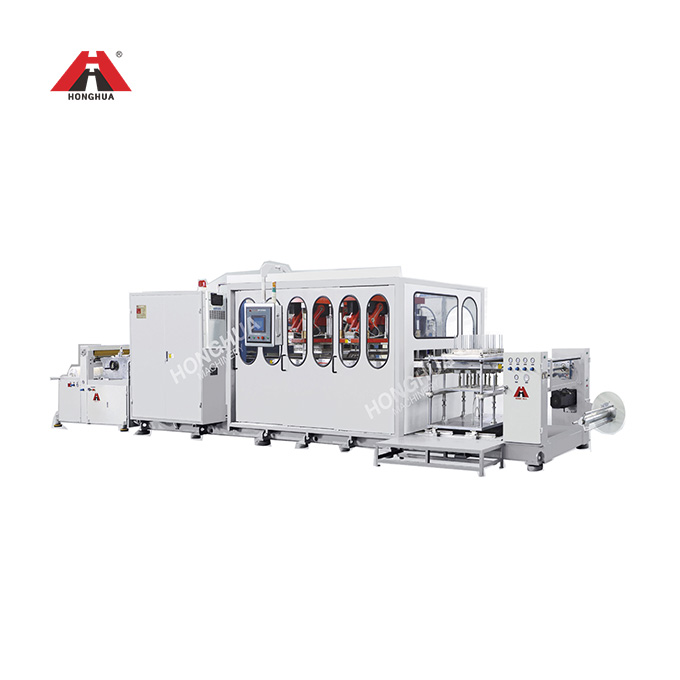
    containers, lids, trays, blisters, clamshells, and other products. A thermoform machine can utilize vacuum only, or vacuum combined with air pressure, in the
    forming process. It can be as small and simple as a table-top sample former where small cut sheets of material are placed into a clamp and heated and
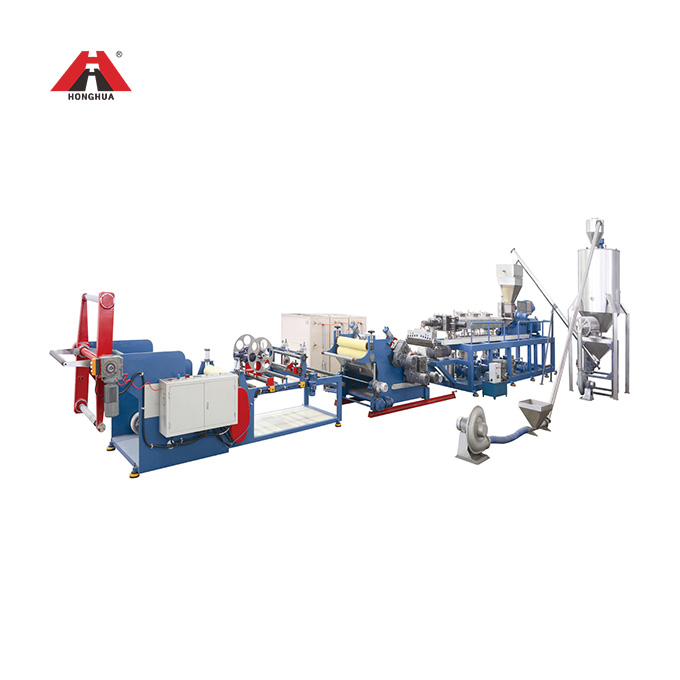
    formed, or as large and complex as a complete inline extrusion, thermoforming, trimming, granulating, and material handling system for continuous high-speed
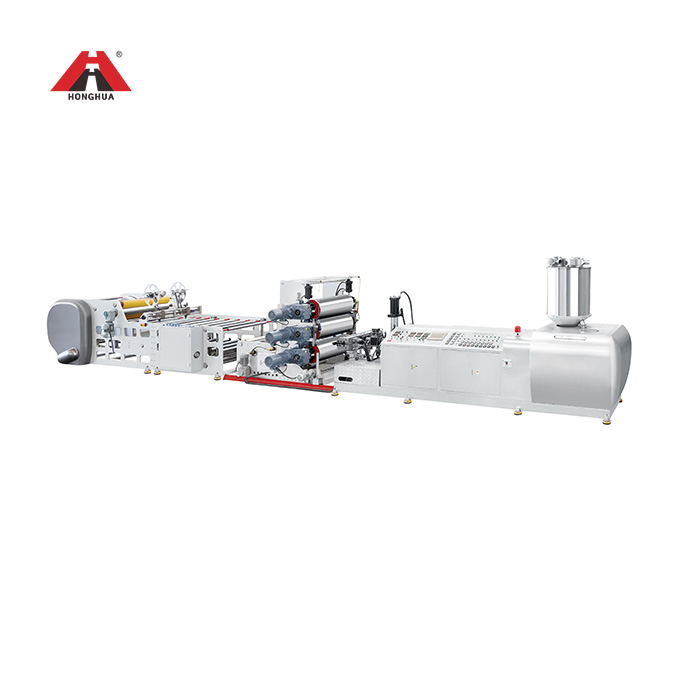
    production. Many thermoforming companies do not extrude their own plastic sheet, but rather purchase it in roll-wound form for running on their forming
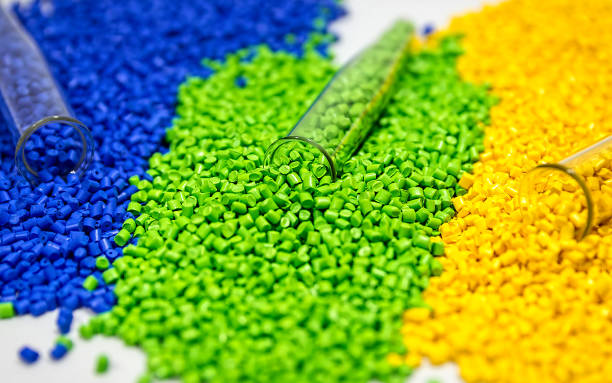
    equipment. Others purchase plastic resin in bulk pellet form and extrude the sheet for use on roll-fed or inline forming machines.

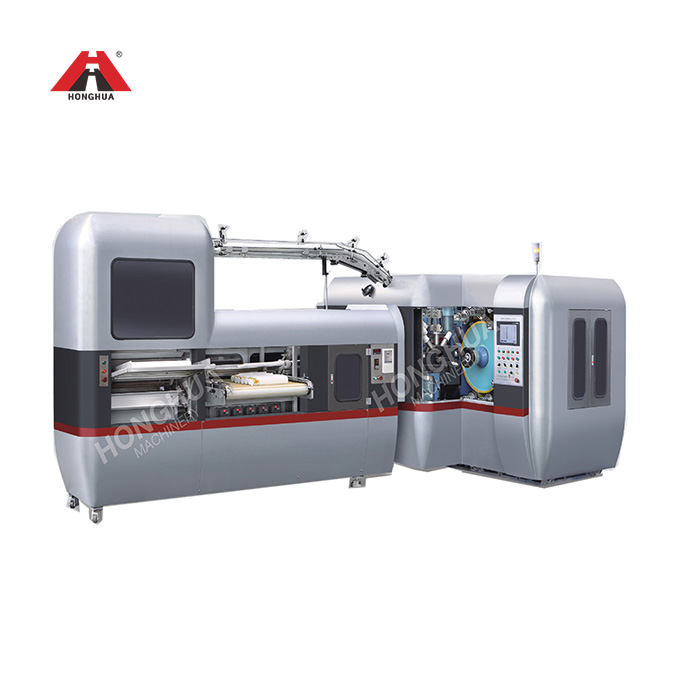
    There are two main types of trimming used to separate formed plastic parts from the sheet on continuous-forming machinery. Steel rule dies or forged dies
    are frequently used on inline formers, and the sheet is formed and trimmed on the same machine prior to packing for shipment. "Custom" thermoforming
    companies usually employ this type trim tooling and process due to frequent job changeovers, short runs, and the relatively low cost of the dies. Higher-volume producers frequently utilize matched-metal punch-and-die trim tooling that operates in a separate trim press machine. In this process, the plastic sheet is
    formed on a thermoforming machine, then automatically fed into a trim press for cutting. Trim press tooling is many times more expensive than steel-rule or
    forged dies, so is normally used only for high-volume production.

    In the most common method of high-volume, continuous thermoforming, plastic sheet is fed from a roll or from an extruder into a set of indexing chains that
    incorporate pins, or spikes, that pierce the sheet and transport it through an oven for heating to forming temperature. The heated sheet then indexes into a
    form station where a mating mold and pressure-box close on the sheet, with vacuum then applied to remove trapped air and to pull the material into or onto
    the mold along with pressurized air to form the plastic to the detailed shape of the mold. (Plug-assists are typically used in addition to vacuum in the case of
    taller, deeper-draw formed parts in order to provide the needed material distribution and thicknesses in the finished parts.) A burst of reverse air
    pressure is actuated from the vacuum side of the mold, commonly referred to as air-eject, as the form tooling opens after forming to break the vacuum and
    assist the formed parts off of, or out of, the mold. A stripper plate may also be utilized on the mold as it opens for ejection of more detailed parts or those with
    negative-draft, undercut areas. The sheet containing the formed parts then indexes into a trim station on the same machine, where a die trims the parts
    from the remaining sheet web. The dies are normally "nicked" in small areas to prevent the formed parts from falling completely out of the sheet after trimming.
    The formed and trimmed sheet then indexes to a stacker station where tooling automatically strips the formed parts from the sheet web for packing, or for
    removal by hand from the web if no stacker is used. (For punch-and-die trim press type trimming, the formed sheet would exit the thermoforming machine
    after the form station and feed into a separate machine for trimming and packing.) The sheet web remaining after the formed parts are trimmed is
    typically would onto a take-up reel or fed into an inline granulator for recycling.

    Most thermoforming companies recycle their scrap and waste plastic, either by compressing in a baling machine or by feeding into a granulator (grinder) and
    producing ground flake, for sale to reprocessing companies or re-use in their own facility. Frequently, scrap and waste plastic from the thermoforming
    process is converted back into extruded sheet for forming again.